It's Not a Short-Term Diet T-Shirt Design Review
As an experienced embroidery designer and product reviewer, I’ve had the chance to evaluate countless digital embroidery designs. Some are flashy but impractical, others work well in theory but fall apart when stitched. When I first saw It's Not a Short-term Diet. T-shirt, I was intrigued by its message and clean visual style. It’s one of those designs that immediately feels like it could have real-world value—especially for customers looking for meaningful, lifestyle-oriented apparel. But does it deliver? Let’s break it down.
First Impressions: A Motivational Yet Subtle Embroidery Design
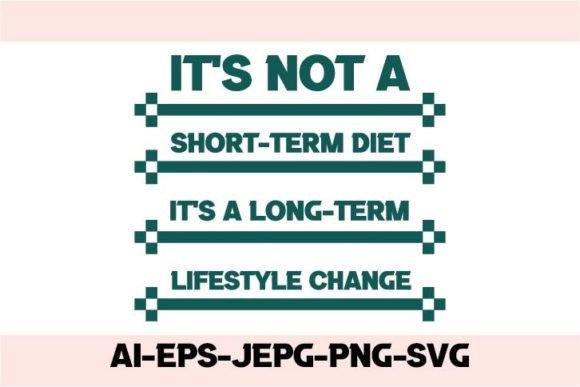
The phrase “It's not a short-term diet. It's a long-term lifestyle change” is presented in a modern, slightly rounded font that exudes a calm and encouraging tone. The design uses negative space effectively, with minimalistic elements that frame the text without overwhelming it. There’s no excessive detail or intricate graphics, which makes this a great candidate for casual custom apparel or gift items.
I can already picture this on a cotton sweatshirt—simple, bold, and motivational. The layout suggests it would look best centered or aligned to one side, depending on the garment and the brand’s aesthetic. As a vector-based machine embroidery design, it maintains sharpness across different sizes, making it adaptable for various products like tote bags, aprons, or even embroidered patches.
Real-World Application: Where This Design Shines
Let me walk through a practical scenario. Imagine you’re preparing a custom embroidered tote bag for a boutique selling healthy meal kits or fitness accessories. You want something that reinforces the brand’s commitment to sustainability and wellness. It's Not a Short-term Diet. T-shirt fits perfectly here. Its clean lines and thoughtful wording make it feel professional yet approachable, ideal for retail environments where clarity and message matter more than over-the-top visuals.
This design also works well for sweatshirts and tote bag designs. The font has enough weight to be visible at a glance, but not so much that it becomes overpowering. For custom apparel projects targeting health-conscious individuals or gym communities, this could become a staple in your design offerings.
Another strong use case is personalized gifts. Think holiday gifts, birthday presents, or even baby shower items. While the original context is about diet, the message easily translates into other areas of personal growth—like mindfulness, fitness, or mental health. That flexibility gives it extra mileage as a holiday embroidery or nursery decor piece with the right tweaks.
Design Notes for Embroidery Projects
- Thread Colors: The design likely comes in a few color options. If not, I recommend testing thread colors against your fabric choices to ensure readability and contrast.
- Stitch Density: Since there’s minimal imagery, the stitch density should be manageable. However, keep an eye on the corners and edges of the text to avoid distortion during stitching.
- Hoop Size: Depending on how large you scale the design, hoop size will vary. Always check the maximum dimensions before starting any project.
- Fabric Texture: Stick with medium-weight fabrics like cotton blends or quilting cotton. Avoid stretchy or thin materials unless you plan to add stabilizer and adjust stitch types accordingly.
Where Caution Is Needed
While It's Not a Short-term Diet. T-shirt is versatile, there are some limitations to consider before using it on all projects. First, if you're working with small hoop sizes, the design might need to be scaled down significantly, which could compromise the legibility of the text. Tiny lettering can get lost in stitch definition, especially if you don’t have high-quality digitizing behind it.
Second, textured fabrics like canvas or linen may alter the look of the finished product. The stitches won’t lie flat the same way they do on smooth cotton, so the final result might appear less crisp. For such surfaces, consider adjusting stitch types or adding a washable stabilizer for better results.
Also, if you’re planning to embroider this onto dark-colored garments, the default thread colors might blend in too much. Testing the design on scrap fabric is always a good idea to see how it contrasts with the background. You may find yourself tweaking the thread palette for optimal visibility.
Curved Surfaces and Dense Stitch Areas
If you're thinking of using this design on curved surfaces like caps or hats, be prepared to do some manual adjustments. The straight text format doesn’t naturally adapt to curves, so you’ll need to warp or split the design carefully. Without proper adjustment, the letters can look distorted or stretched.
Additionally, the design lacks decorative accents or complex fill patterns, so it might feel a bit plain if used alone on larger pieces like pillow covers or blankets. In these cases, pairing it with another graphic or border element could enhance the overall visual appeal and justify the price point of the handmade product.
Customer Perception and Branding Impact
One of the most important aspects of any embroidery design is how it affects customer perception. It's Not a Short-term Diet. T-shirt conveys a positive, empowering message that aligns with modern wellness trends. Customers who resonate with this kind of messaging are often looking for authenticity and purpose in their purchases, whether it’s for themselves or as a personalized gift.
From a branding perspective, this design adds subtle professionalism. It’s not trying to be flashy—it’s trying to communicate a mindset. That kind of message can elevate the perceived value of your small shop product or Etsy listing. Buyers tend to trust brands that offer clear, meaningful content, and this design supports that sentiment well.
However, if you’re aiming for a more playful or whimsical aesthetic, this design might not be the best fit. Its tone is serious and reflective, so it’s better suited for shops focused on health, self-improvement, or lifestyle branding rather than novelty or pop culture themes.
Commercial Use Considerations
For commercial embroidery or digital product sales, it’s essential to confirm licensing terms. While the description says it’s an instant download, it doesn’t specify whether it allows resale of the finished product or redistribution of the digital embroidery file. Before using this design in bulk orders or digital bundles, double-check the license agreement to ensure it permits commercial application.
That said, assuming the license allows it, this could be a solid addition to your design assets for small business merchandise. The theme is broad enough to apply to multiple industries—from nutritionists and yoga instructors to boutique owners and wellness coaches.
Practical Tips for Using the Design
- Test on Scrap Fabric: Especially if you’re using a new machine or unfamiliar thread combinations, always test the design on a sample before committing to the final piece.
- Check Thread Color Contrast: Make sure the chosen thread colors stand out clearly against the fabric. Dark thread on black fabric? That won’t work. Opt for white or light pastels instead.
- Review Stitch Density: Adjust the density if you notice gaps between stitches or puckering after testing. Lower density can help with delicate fabrics.
- Confirm Hoop Size: Measure the design at its largest intended size and match it with the appropriate hoop. Don’t assume; verify.
- Inspect Small Details: Look closely at the lettering and punctuation. Any tiny flourishes or characters should be checked for accuracy and consistency in stitch renderings.
- Use Proper Stabilizer: Whether you choose tear-away, cut-away, or wash-away, the right stabilizer can make or break the final appearance of the design.
- Consider Black and White Mockups: Sometimes, the thread colors we love on screen don’t translate well in print. Use a black-and-white printable mockup to preview how the design will look under different lighting conditions.
- Compare Light and Dark Backgrounds: Try stitching the design on both light and dark fabric samples to understand how thread choice impacts visibility and aesthetics.
- Check Licensing Restrictions: If you plan to sell finished items or include the design in digital product bundles, review the licensing terms carefully. Many free or low-cost designs come with limitations.
Final Thoughts: A Thoughtful Addition to Your Design Toolkit
In my experience, the best embroidery designs are the ones that feel both beautiful and useful. It's Not a Short-term Diet. T-shirt falls into that category. It’s not going to turn heads with wild colors or dynamic shapes, but it carries a message that many people want to express today. That kind of emotional resonance can make all the difference in customer engagement, especially in niche markets like wellness, fitness, and handmade lifestyle products.
When evaluating its performance across different embroidery projects, I found it to be reliable in most situations—provided you take the time to test and adjust based on fabric and machine settings. It’s a design that values clarity and simplicity, which means it works best in environments where those traits are appreciated.
So yes, It's Not a Short-term Diet. T-shirt is worth considering for your next project. Just remember: like the message itself, this design needs to be thoughtfully applied to last.