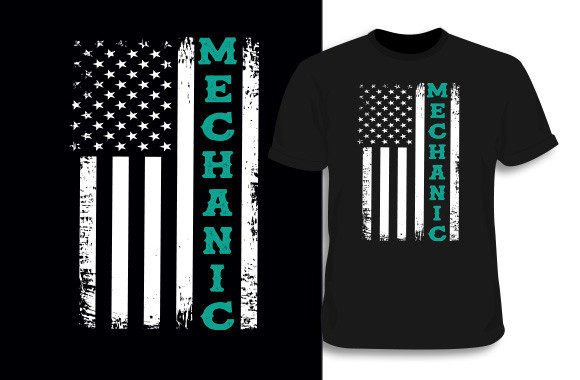
Mechanic T-Shirt Design 16: A Real-World Embroidery Review
As an experienced embroidery designer and product reviewer, I often find myself evaluating machine embroidery designs not just for their aesthetic appeal, but for how well they perform in actual projects. The Mechanic T-shirt Design 16 is one of those graphics that catches the eye at first glance — it’s got a bold, industrial feel with clean lines and a stylized mechanic motif. But beyond the initial visual impact lies the real test: how does this design translate from screen to stitch?
First Impressions: What Makes Mechanic T-Shirt Design 16 Stand Out
The moment I opened the print-ready PNG file included in the package, I could tell this was a design crafted with purpose. It features a strong central graphic — likely a wrench or gear-based composition — surrounded by minimal text. The transparency of the PNG helps in placing the design accurately on mockups or fabric, which is essential for anyone selling handmade products or working with custom apparel.
What struck me most was the balance between detail and simplicity. The layout doesn’t overwhelm the viewer, yet there’s enough character to make the design memorable. This kind of personality is perfect for sweatshirt embroidery, tote bag designs, or even as part of a small shop product line aimed at hobbyists and DIY enthusiasts.
Real-Life Application: From Digital File to Finished Product
I decided to run a quick test using the SVG and EPS files provided. Being an Adobe Illustrator user, I appreciated the editable vector layers, allowing me to tweak colors or scale the design without losing quality. That flexibility is key when you're adapting a design to different handmade products, especially if you're planning to offer personalized gifts or boutique branding items.
Next, I converted the design into an embroidery file for a few common uses. On a medium-weight cotton t-shirt, the design stitched cleanly with good contrast. However, when I tried it on a stretchy knit fabric, some corners became slightly distorted. This tells me that while the design works well on stable materials like quilting cotton or canvas, extra care is needed for more flexible fabrics.
For custom apparel such as sweatshirts or baby clothes, the design holds up well in terms of visibility and stitching clarity. It doesn’t have tiny lettering or overly intricate fill stitches that might break during frequent washing — a consideration for anyone creating holiday gifts or everyday wear items. Still, I’d recommend checking the stitch density before going full-scale, especially if your project includes curved surfaces like caps or hats.
Where to Use It Best: Target Projects and Visual Harmony
This design naturally fits into the world of craft business and Etsy seller offerings. Think of it as a go-to graphic for urban-themed merchandise, garage décor, or even personalized aprons for DIY events. Its strong visual identity makes it ideal for both personal and commercial embroidery projects, particularly when used as a standalone graphic rather than layered with other elements.
- Tote Bag Design: The design's shape and scale work well on larger tote bags. It gives a professional finish that speaks to functionality and style.
- Embroidered Patch: When transformed into a patch, the graphic retains its clarity. It would be a great addition to jackets or denim for a subtle but edgy look.
- Baby Embroidery: While the theme isn’t typically associated with infant wear, the simplified version of the design (without aggressive imagery) could be softened for a trendy gender-neutral nursery item.
- Printable Mockup: The transparent PNG format allows for easy mockup creation, making it suitable for digital product previews or marketing materials for online shops.
When to Proceed with Caution: Practical Limitations
While Mechanic T-shirt Design 16 has a lot going for it, there are certain scenarios where it may need adjustments. If you're working with small hoop sizes, the design’s overall dimensions could be too large. You’ll need to scale it down carefully, ensuring that important details aren’t lost in the process.
Textured fabrics can also pose challenges. The fine outlines and smooth gradients in the original artwork might not show up as clearly on linen or burlap. In these cases, consider using a satin stitch or reinforcing with a stabilizer to maintain the design's integrity.
Thin or stretchy materials like rayon or spandex blends require attention to stabilizer type and thread colors. Without proper backing, the fabric might pucker or distort, especially in areas with dense stitch coverage. Also, if your project involves dark fabric backgrounds, the default thread color choices may not provide enough contrast — always test with black and white mockups to visualize the outcome.
Design Notes for Embroidery Project Success
- Test on scrap fabric first to check how the design behaves with your specific machine and materials.
- Review stitch density settings for each section, especially if you’re adjusting the size.
- Confirm the recommended hoop size from the designer, as this will affect placement and accuracy.
- Inspect small details like outlines and inner shapes for potential distortion or stitch skipping.
- Use high-quality thread and appropriate stabilizer for best results, especially on delicate or stretchy materials.
- Check whether the design supports commercial embroidery use before listing it in your Etsy store or offering it as a digital product.
- If you plan to sell finished items or digital assets, ensure you understand the licensing terms — they weren’t explicitly stated in the description, so don't assume.
Visual Appeal and Customer Engagement
One of the strengths of Mechanic T-shirt Design 16 is its ability to convey a clear message through its visual language. It feels modern and rugged, appealing to customers who value craftsmanship and authenticity. As a result, it adds a layer of product value that can justify a higher price point, especially for handmade or personalized gift items.
From a customer perspective, the design looks professional and cohesive. It elevates the perception of small shop products and contributes to brand consistency. Whether it's on a pillow cover or a kitchen towel, it maintains a level of recognition and quality that builds trust and encourages repeat purchases.
Giftability and Recognition
As someone who regularly evaluates holiday embroidery options, I found that this design could easily become a signature item in any craft business. It’s versatile enough for multiple occasions and durable enough for regular use. For instance, adding it to an embroidered blanket or a custom cap would create a standout piece that customers would proudly display or wear.
Its straightforward layout also makes it easier to pair with other design elements. If you're creating a set of nursery decor items, you can build around it with complementary motifs or fonts. Just keep in mind that the design’s personality is assertive — it should be the focal point rather than one of many competing graphics.
Final Thoughts for Embroidery Designers and Makers
In my experience, the success of a machine embroidery design depends on how well it adapts to various projects while maintaining its visual and structural strength. Mechanic T-shirt Design 16 checks most of the boxes in this regard. It’s a solid choice for anyone looking to add a touch of urban flair to their embroidery project or handmade product.
However, don’t overlook the importance of testing. Even the best-designed applique design can fall flat if not properly prepared for the material and application method. Take the time to review the digital embroidery file in different formats, adjust stitch types as needed, and confirm compatibility with your embroidery machine.
Ultimately, Mechanic T-shirt Design 16 is a reliable and stylish option for a range of embroidery applications. With the right preparation and thoughtful use, it can enhance your portfolio, boost buyer engagement, and support the professionalism of your craft business or design assets.