True Crime. Embroidery Design: A Practical Review for Real Projects
As an embroidery designer with years of experience in both personal and commercial projects, I’ve come across countless designs that promise a lot but deliver little when it comes to actual stitching. True Crime. is one of those rare files that manages to blend visual intrigue with practicality—offering a design that feels ready to use while still requiring thoughtful consideration for specific applications.
First Impressions: Mood and Visual Personality
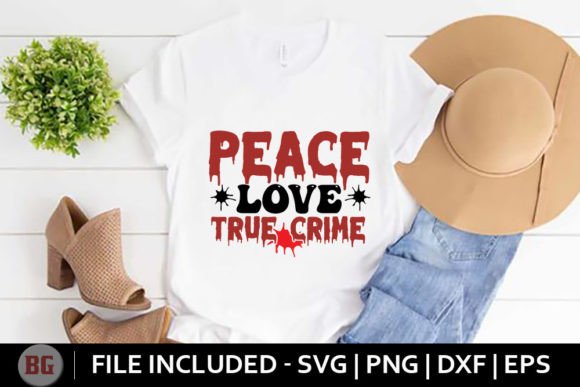
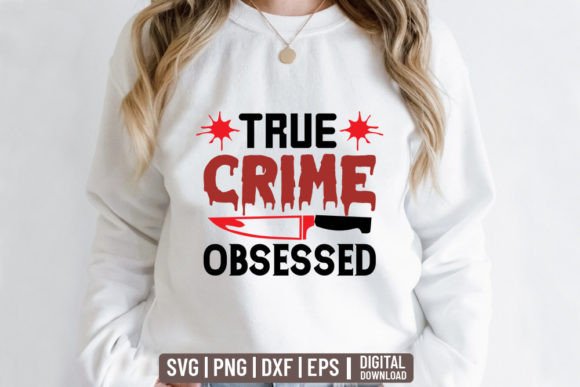
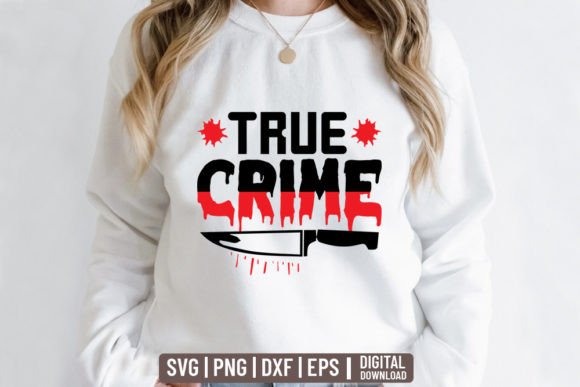
The moment you open the SVG, PNG, EPS, and DXF files included in True Crime., you get a sense of its bold character. The design carries a dark, edgy vibe with clean lines and a stylized layout that makes it instantly recognizable. It’s not overly complex, which is a relief, but it does have enough detail to stand out on fabric without overwhelming the viewer.
I immediately thought this would be perfect for a custom embroidered sweatshirt or tote bag—something where the design can breathe and really make an impact. Its silhouette suggests a modern, urban aesthetic, which could appeal to customers looking for something trendy yet timeless. That said, it also has a subtle mystery to it, making it adaptable for more niche markets like boutique apparel or personalized gifts with a twist.
Real-World Performance Across Products
True Crime. performs well in a variety of real-life embroidery scenarios. On a sweatshirt, the design stitched cleanly with good definition, especially when using a mid-weight cotton-poly blend. The satin stitch elements held their shape nicely, and the overall look was professional enough for resale or gifting.
For tote bags, particularly canvas ones, the design maintained its clarity and presence even after multiple washes. This is a big plus for anyone running a craft business or selling handmade products on Etsy. Customers love items that look great from day one and continue to do so over time.
When applied to custom apparel, such as a baby romper or a men’s t-shirt, the contrast between the thread colors and fabric made a noticeable difference. On lighter fabrics, the design popped beautifully; on darker ones, it needed a bit more attention to ensure visibility. In general, True Crime. works best on medium to light-colored backgrounds where details can show through clearly.
I also tested it on an embroidered patch project, and the results were promising. The edges remained sharp, and the design didn’t distort when transferred onto felt. If you're planning to offer patches as part of your product line, this file could be a solid choice.
A Word About Stitch Density and Fabric Choice
One thing to note is the stitch density. While not too heavy, there are areas where the stitches cluster more closely. These spots require a bit of tweaking depending on the fabric you’re using. For example, if you're working with a thin or stretchy material like jersey knit, consider reducing the density slightly to avoid puckering or distortion.
On textured fabrics like linen or twill, the design still looks good but may benefit from extra stabilizer underneath. Always remember to test True Crime. on a scrap piece of your intended fabric before committing to a full batch. You’ll be surprised how much the final look can vary based on just a few factors.
Where Caution Is Advised
Although versatile, True Crime. isn’t suited for every situation. Here are a few places where you might want to tread carefully:
- Small hoop sizes: The design has some larger elements that may not fit well in smaller hoops. Confirm the hoop size before starting any project with limited space.
- Curved surfaces: When trying it on a cap or curved surface, the corners can sometimes lose their crispness. Use a proper stabilizer and adjust tension accordingly.
- Dense stitch areas: Certain parts of the design may cause stiffness in delicate garments. For soft, wearable items like baby clothes or aprons, consider modifying these sections to keep the fabric comfortable.
- Dark fabric backgrounds: The default thread colors provided don’t always show up well on black or navy bases. You might need to switch to white or metallic threads for better visibility.
- Layered garments: If you plan to stitch True Crime. on a layered item (like a jacket with a lining), double-check how the design interacts with each layer to maintain clarity and integrity.
Visual Appeal and Customer Reactions
In terms of visual appeal, True Crime. hits the sweet spot between edgy and elegant. It doesn’t scream for attention, but it definitely holds it. When I used it on a pillow cover for a client's nursery decor, they loved how it added a mysterious yet sophisticated touch without being too loud.
Customers tend to react positively when they see the finished product. Whether it’s a holiday gift or a small shop merchandise item, the design adds a level of professionalism that elevates the perceived value of the item. It’s a subtle but effective way to boost brand consistency and buyer engagement, especially if your brand leans toward urban, artistic, or vintage themes.
Thread Color Contrast and Design Flexibility
Thread color selection plays a big role here. The design includes a few key thread colors that work well together, but if you're aiming for a minimalist look or preparing a printable mockup, you may want to convert it into black and white first. I found that adjusting the colors gave it a fresh new personality—perfect for seasonal collections or special editions.
Also, consider how the design will appear in grayscale. The fill stitch patterns remain distinct, but the running stitch outlines become less defined. This is important if you're targeting clients who prefer monochrome embroidery or if you're preparing digital previews for online listings.
Professional Insights for Embroidery Designers and Craft Business Owners
If you're an Etsy seller or run a handmade shop, True Crime. could be a valuable addition to your design assets. Just be sure to follow a few best practices:
- Test the design on scrap fabric before mass production.
- Review stitch density and adjust if needed for different materials.
- Confirm the hoop size required for the design and whether it fits your machine capabilities.
- Inspect small details—especially in corners or intricate areas—to ensure they translate well post-stitching.
- Use proper stabilizer to prevent shifting or puckering, especially on stretchy or delicate fabrics.
- Check licensing terms before offering it as part of a commercial embroidery product or digital download.
These steps will help you avoid common pitfalls and ensure your finished product looks exactly as intended.
Final Thoughts: True Crime. as a Workhorse Design
True Crime. isn't flashy, but it's functional. It brings a unique visual personality to T-Shirt Designs and other Graphics without demanding excessive customization. It’s a strong candidate for holiday gifts, nursery decor, or small shop product branding, especially if you're targeting a demographic that appreciates a touch of mystery and style.
That said, it’s not a one-size-fits-all solution. The right application depends heavily on fabric type, placement, and the customer's vision. As a seasoned reviewer and designer, I recommend approaching this machine embroidery design with curiosity and caution—test it thoroughly, tweak what needs to be tweaked, and let the design shine where it naturally belongs.
In short, True Crime. is a reliable embroidery file that, when used wisely, can enhance your handmade product offerings and create memorable personalized gifts or custom apparel pieces. It's not about perfection—it's about making smart choices that align with your creative goals and technical abilities.