Photography Vector T Shirt Design Review
As an experienced embroidery designer and product reviewer, I’ve had the chance to work with a wide variety of embroidery files, from simple monograms to intricate custom motifs. When I came across the Photography Vector T Shirt Design, I was curious about how it would translate into real-world applications beyond just being another graphic in a ZIP folder. Here’s my honest take on what makes this design practical—or where it might fall short—in actual projects.
First Impressions: A Clean, Modern Look
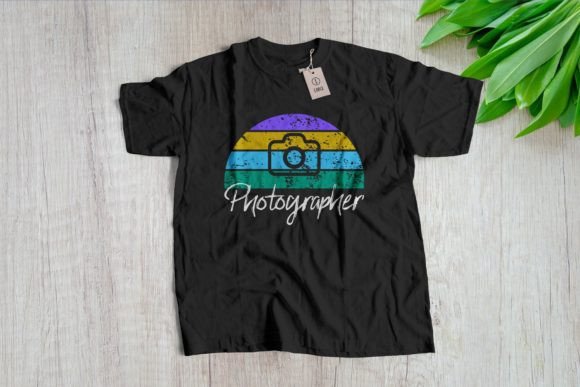
The Photography Vector T Shirt Design immediately struck me as something versatile and contemporary. The vector format means it has crisp lines and clean edges, which is essential for machine embroidery designs that need to scale without losing quality. It’s clearly intended for use on lighter-colored garments, but the note about easily changing colors for darker T-shirts shows some adaptability.
Visually, the design doesn’t scream loud or demand attention—it takes a more subtle approach. That makes it ideal for understated branding, boutique collections, or personalized gifts where elegance is key. If you’re aiming for a design that blends well rather than dominates, this one fits the bill.
Layout and Detail Level
I found the layout balanced and intentional. The shapes are not too sprawling, nor too cramped, allowing room for customization if needed. Since it's a vector-based print template, there’s also potential for using it in digital mockups or printable templates for your craft business. But when considering stitching, detail level becomes a factor—this design uses a moderate amount of fill stitch and satin stitch elements, making it suitable for most standard embroidery machines but worth inspecting before committing to large runs.
Real-World Use Cases
This kind of design thrives in specific contexts. Let’s break down how it performs in various embroidery projects.
- Tote Bag Design: The Photography Vector T Shirt Design works beautifully here. Its clean aesthetic complements canvas textures and can be scaled up slightly for a more prominent look. Just ensure you test stitch density to avoid overstuffing the fabric.
- Sweatshirt Embroidery: For a soft, cozy sweatshirt, this design maintains its shape and clarity even after multiple washes. It’s especially good for small shop products where simplicity and brand recognition matter.
- Baby Clothes & Nursery Decor: The gentle lines and lack of aggressive stitching make it safe and appealing for baby items. However, be cautious with stretchy fabrics—adjusting the tension and stabilizer is key.
- Embroidered Patch: On patches, the design holds up well due to its flat structure. You’ll want to keep the stitch count manageable if you're using it on curved surfaces like caps or hats.
- Custom Apparel & Boutique Branding: This design is perfect for creating cohesive branding across your handmade products. Whether you're selling on Etsy or at a craft fair, it adds a professional touch without being flashy.
- Digital Product Previews: As part of a printable mockup package, the vector format ensures scalability and sharpness, which is crucial for digital product sellers showcasing their design assets online.
Where to Use With Caution
While the Photography Vector T Shirt Design is flexible, there are situations where extra care is necessary to maintain its integrity and visual appeal.
- Small Hoop Sizes: If you're working within tight constraints, like embroidering a cap or tiny patch, the design may lose impact. Consider simplifying or resizing carefully.
- Textured Fabrics: Stitch clarity can be affected by the texture of the fabric. Test it on denim, corduroy, or other thick materials to see if the details remain visible.
- Thin or Stretchy Fabric: These materials require special handling. Without the right stabilizer and tension settings, the design might pucker or distort during stitching.
- Dark Fabric Backgrounds: While the description mentions color adjustment, always test the thread contrast. Some shades might blend too much, reducing the visibility of the design.
- Curved Surfaces: The design isn't optimized for round or irregular shapes out of the box. You'll need to adjust the placement and possibly the stitch type for curved areas.
- Frequent Washing: For items like kitchen towels or aprons, consider the durability of the stitch types used. Dense areas might wear faster unless reinforced properly.
Design Impact and Customer Perception
What sets the Photography Vector T Shirt Design apart is how it enhances the overall product value. In my experience, customers respond positively to embroidered designs that feel polished and intentional. This one checks those boxes—it elevates the finished product with a sense of refinement.
It also contributes to brand consistency if you're using it across different items like t-shirts, pillow covers, or holiday gifts. The uniformity helps build recognition and trust, especially for Etsy sellers or handmade shop owners who rely on repeat buyers.
However, the subtlety of the design could be both a strength and a limitation. If you're looking for bold statement pieces or decorative accents with lots of movement, this might not be the best fit. But for those seeking a clean, recognizable motif, it shines.
Designer Tips for Best Results
Before jumping into production or customer orders, I recommend these steps to ensure the Photography Vector T Shirt Design meets your expectations:
- Test on Scrap Fabric: Always do a trial run to see how the design reacts to your machine, thread, and fabric choices.
- Check Thread Color Contrast: Especially on dark backgrounds, choose thread colors that stand out. Black and white mockups are great for this step.
- Review Stitch Density: Too dense and it can cause puckering; too sparse and it might appear incomplete. Adjust accordingly based on fabric type.
- Confirm Hoop Size: If the original file doesn’t specify hoop dimensions, double-check compatibility with your machine. Resizing improperly can warp the design.
- Inspect Small Details: Make sure any lettering or fine lines don’t get lost in translation when converted to stitches.
- Use Proper Stabilizer: Especially important for stretchy or thin materials. The wrong stabilizer can ruin the outcome.
- Compare Light and Dark Backgrounds: This will help you understand how versatile the design truly is and if color changes are sufficient.
- Verify Licensing for Commercial Projects: If you plan to sell finished items or digital products, confirm that the license allows commercial use. This is often overlooked but critical for legal compliance.
Final Thoughts
The Photography Vector T Shirt Design is a solid addition to any embroidery designer’s toolkit. It brings a modern, minimalist charm that aligns well with today’s trends in custom apparel and personalized gifts. From tote bags to sweatshirts, and even printable mockups for digital product previews, it adapts well when handled thoughtfully.
That said, no design is one-size-fits-all. Pay close attention to fabric choice, hoop size, and thread contrast. With a bit of testing and preparation, you can confidently integrate this machine embroidery design into your workflow and offer high-quality, branded merchandise that stands out for the right reasons.
If you're an Etsy seller, hobbyist, or running a craft business, this is a design worth exploring—but remember to treat it like any other graphics asset: with curiosity, caution, and creativity.