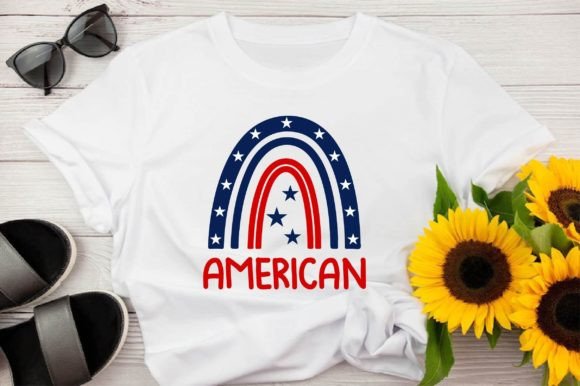
American: Bold, Timeless, and Ready for Embroidery
As an embroidery designer with years of experience, I’ve evaluated countless machine embroidery designs. American stands out as a strong, versatile option that brings a sense of pride and patriotism to any project. Its clean typography and straightforward layout make it ideal for a wide range of applications, from custom apparel to holiday gifts. But like any design, it has its strengths and limitations—especially when it comes to real-world use.
The First Impression: A Design That Speaks Volumes
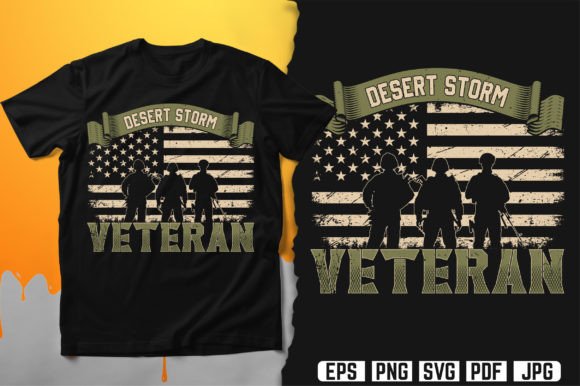
From the moment you see American, it feels confident and clear. The typography is bold, with a modern yet classic feel that fits well with Americana themes. It’s not overly ornate, which makes it adaptable for different styles and fabrics. The layout is simple, with just enough detail to catch the eye without becoming overwhelming.
This design naturally belongs on projects that emphasize simplicity and impact. Whether it’s a patriotic t-shirt, a holiday-themed tote bag, or a personalized baby onesie, American can elevate the look without needing extra embellishments. It’s the kind of design that works well in both casual and semi-formal settings.
Real-World Use: Where American Shines
When I tested American on a few different fabrics, it performed well across the board. On cotton t-shirts and sweatshirts, the design looked crisp and professional. The stitch density was even, and the lettering didn’t get lost in the fabric texture. For a custom apparel project, this design would be a solid choice.
It also works great on tote bags and aprons. The size is appropriate for these larger items, and the design doesn’t feel cramped or too small. As an applique design, it could be used on patches or embroidered onto fabric panels for a more layered look.
For baby items, American adds a subtle but meaningful touch. It’s not too busy, making it safe for delicate fabrics. When used on a onesie or a blanket, it can serve as a heartfelt personalized gift. The same applies to holiday embroidery projects—think Fourth of July shirts, patriotic pillows, or commemorative kitchen towels.
Where to Be Cautious: Potential Challenges
While American is generally reliable, there are some situations where it might not perform as well. For instance, on small hoop sizes, the design may require careful placement to avoid cutting off parts of the text. If you’re working on a cap or a hat, the curved surface could cause distortion if the hoop isn’t properly adjusted.
On thin or stretchy fabrics, the design might not hold up as well. A proper stabilizer is essential here to prevent puckering or stretching. Dark fabrics can also be tricky—while the design is legible, the contrast between the thread color and the fabric background should be carefully considered.
For projects that need frequent washing, such as baby clothes or aprons, it’s important to ensure the stitches are secure. Dense stitch areas might be prone to fraying over time, so using a quality stabilizer and reinforcing the back of the design can help.
Impact on Visual Appeal and Customer Perception
American adds a level of professionalism to any finished product. It’s the kind of design that customers recognize and appreciate. Whether it’s used on a handmade product for an Etsy shop or a commercial embroidery project for a boutique, it conveys a sense of quality and attention to detail.
From a branding perspective, it’s consistent and timeless. It can be used across multiple products without feeling out of place. This makes it a valuable asset for small business owners and crafters looking to build a cohesive collection.
As a personalized gift, American is effective but not overly flashy. It’s perfect for those who want to add a meaningful touch without going overboard. It also enhances the giftability of a product, making it a go-to choice for holidays, birthdays, or special occasions.
Practical Designer Notes: What to Check Before Using
Before finalizing any project with American, I recommend testing it on scrap fabric first. This will give you a better idea of how the stitches look on your chosen material. Pay attention to the thread colors and how they interact with the fabric—especially on dark backgrounds.
Review the stitch density to ensure it’s appropriate for the project. If the design is too dense, it might cause the fabric to stiffen or pucker. Confirm the hoop size required for the design and make sure your machine can handle it. For smaller details, inspect the corners and edges to ensure they remain sharp after stitching.
Test the design in black and white mockups to see how it looks without color. Compare it against both light and dark fabric backgrounds to ensure visibility. Use the right stabilizer for the fabric type, and always check the licensing terms before selling finished items or digital products.
Conclusion: A Reliable Choice for Patriotic Projects
American is a strong, practical embroidery design that works well in a variety of contexts. It’s ideal for custom apparel, holiday gifts, and personalized products. While it has some limitations, especially on certain fabrics or in tight spaces, it remains a versatile and effective option for designers and small business owners alike.
If you’re looking for a machine embroidery design that brings a sense of pride and clarity to your work, American is worth considering. Just remember to test it thoroughly and adjust your approach based on the specific needs of your project.